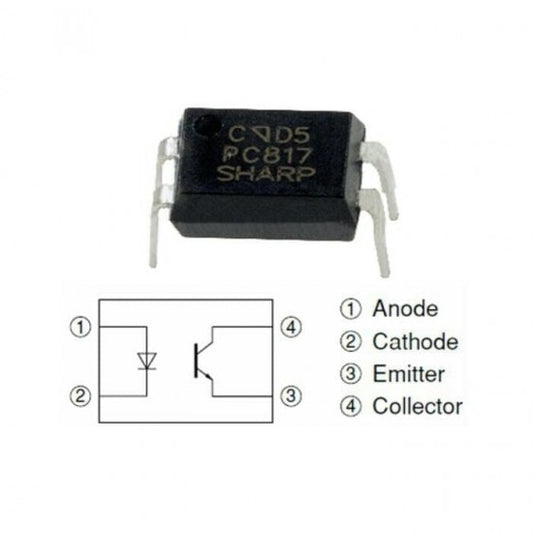
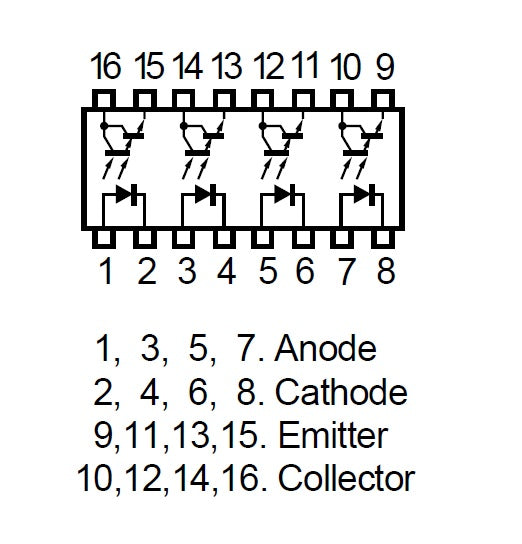
Collection: Transistors & Thyristors
The transistor is an electronic device used to amplify or switch electrical signals and power. The term "transistor" comes from the acronym transfer resistor. It is one of the basic building blocks of modern electronics. It is composed of semiconductor material, usually with at least three terminals that connect to an electronic circuit. A voltage or current applied to one pair of the transistor's terminals controls the current through another pair of terminals. Because the controlled power (output) can be greater than the controlling power (input), a transistor can amplify a signal; configured as an amplifier, it can also be configured as a switch, oscillator, or rectifier. Some transistors are packaged individually, but many more miniaturized ones are incorporated into integrated circuits. Because transistors are the key active components in virtually all modern electronics, many people consider them one of the greatest inventions of the 20th century.
A Thyristor is a solid-state semiconductor device that acts as a controlled switch, allowing current to flow in only one direction, but unlike a diode, it can be activated by a pulse at its "gate" terminal. It is composed of four semiconductor layers (P-N-P-N) and consists of three terminals: anode, cathode, and gate. It is commonly used in power electronics applications to control large amounts of voltage and current, such as in inverters, voltage converters, and for regulating motor speed.
 Sold out